In Good Hands: Brad Pingrey's Story
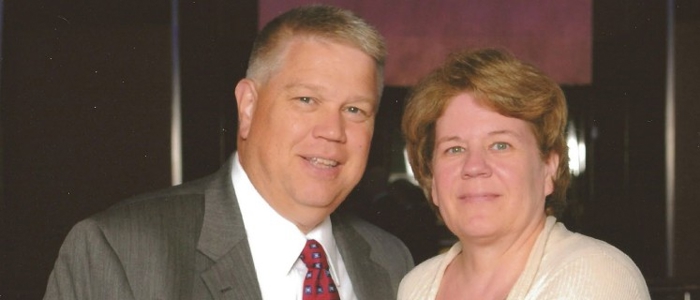
Like many hospice families, Brad Pingrey feels that hospice provided indispensable and empathetic support during an experience that would be taxing for anyone. In 2015, his wife, Donna, was diagnosed with Progressive Supranuclear Palsy (PSP), a rare neurodegenerative disease with effects similar to ALS. Determined to persevere as best they could, the Pingreys enrolled Donna in clinical trials, but they were ultimately unsuccessful. They approached Hospice in December of 2019, the same day that Donna’s clinical trials were discontinued.
As if these challenges weren’t enough, the Pingreys were also navigating hospice during the time of COVID. Brad says that as soon as they met with Hospice’s social worker and nurse, he could tell that “they were in good hands.” Even as the circumstances required several modifications for COVID safety, Brad says that nurse Gloria was always responsive and attentive to Donna’s needs. Hospice’s additional support team, such as music therapist Georgia, massage therapists, and volunteers, all took turns spending time with Donna and truly learning what would make her feel at ease. “I know Georgia took the time to learn a few special songs that Donna liked, and volunteers joined Donna in one of her favorite pastimes of playing cards,” Brad says.
One of the things that struck Brad the most is how intentionally supportive Hospice was right at Donna’s passing. He and other family members were able to be with her as she passed, and after he informed Hospice staff, nurses arrived immediately to support the family as they waited for funeral services.
Overall, Brad describes Hospice as an enormous relief because staff reinforced over and over that “they weren’t going through this process alone.” Hospice provided care and structure so that Brad and Donna could connect and rest.
Now a member of Frederick Health Development Council, Brad is spending part of his retirement fundraising for and helping to spread the message of what a gift Hospice was to his family in their hour of need. One of the things that’s significant about their story, he says, is that they chose hospice earlier than many do. “Donna was in hospice for six months,” Brad says. “That made all the difference in terms of allowing us to have all of the support we could through that difficult last stretch.”
Accordingly, he wants to help change the perception of hospice as “a bad thing” to “an opportunity for support and relief.” He advises people not to wait if they know hospice is more than likely going to become a reality and to choose it sooner rather than later. He is certainly glad that he and Donna did.
Another reason why he serves on the Development Council is because he says that Hospice was such a great source of information. “From the legal necessity of power of attorney paperwork to the spiritual support of the chaplain, Hospice really encompasses it all, beyond just the medical realities of end-of-life,” he says.
After a season of healing from Donna’s passing in 2020, he is ready to channel his appreciation and lift up Hospice’s support by giving back.
